Trail Running in UK Mountains: Best Routes & Destinations
Discover the ultimate guide to trail running in UK mountains. Explore top fell running routes, destinations, and tips for every skill level.
Why Trail Running in UK Mountains is Worth Your Time
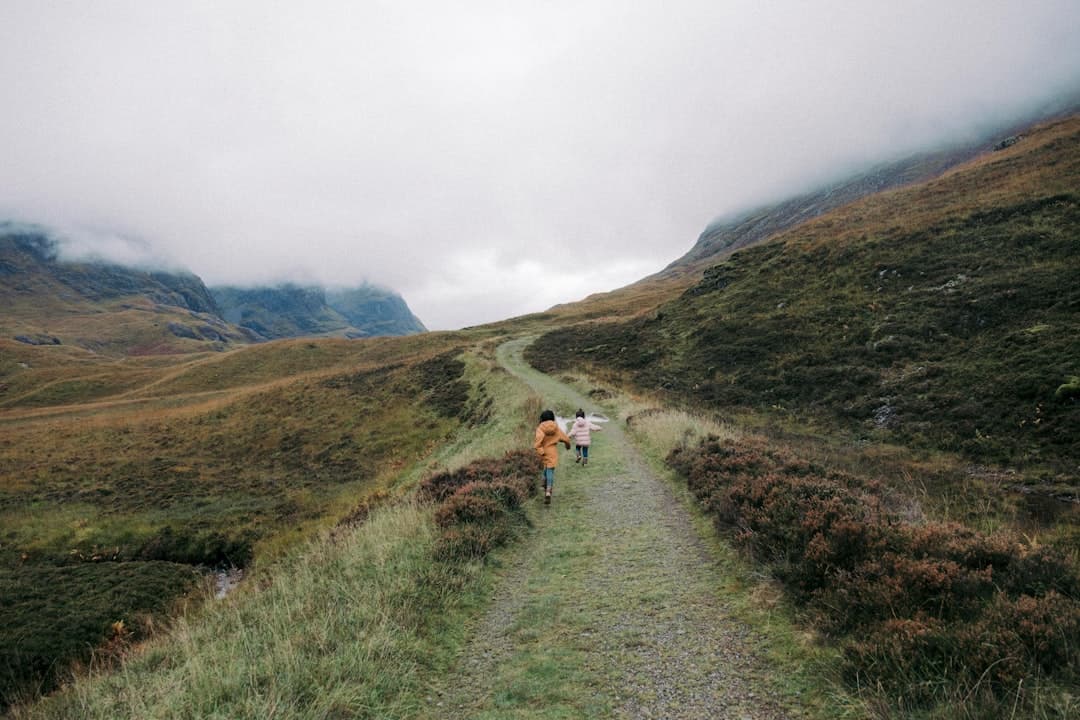
Most runners spend years dreaming about alpine trails in the Alps or Dolomites without realising they’re already sitting within two hours of some of the finest mountain running terrain on the planet. The UK’s fell and mountain running scene is world-class, genuinely challenging, and — crucially — free to access on a Saturday morning without booking flights.
From the jagged ridgelines of the Scottish Highlands to the rolling moorland of the Pennines, the variety of landscapes available to UK trail runners is extraordinary. You can be knee-deep in bog on a Lakeland fell one weekend and running exposed ridges above Snowdonia the next. The terrain changes, the challenge scales up or down, and the views are consistently spectacular.
The community has grown enormously in recent years. England Athletics actively selects mountain running teams to represent the country at international level, and the grassroots fell running scene remains one of the most welcoming corners of British sport. Whether you’re a road runner looking for something new or a seasoned off-roader chasing bigger objectives, the mountains are ready when you are. Research consistently shows that green exercise in natural environments reduces cortisol levels and improves mood more effectively than equivalent effort indoors — which, frankly, anyone who has ever crested a Lakeland ridge already knew.
Lake District: England’s Premier Trail Running Playground
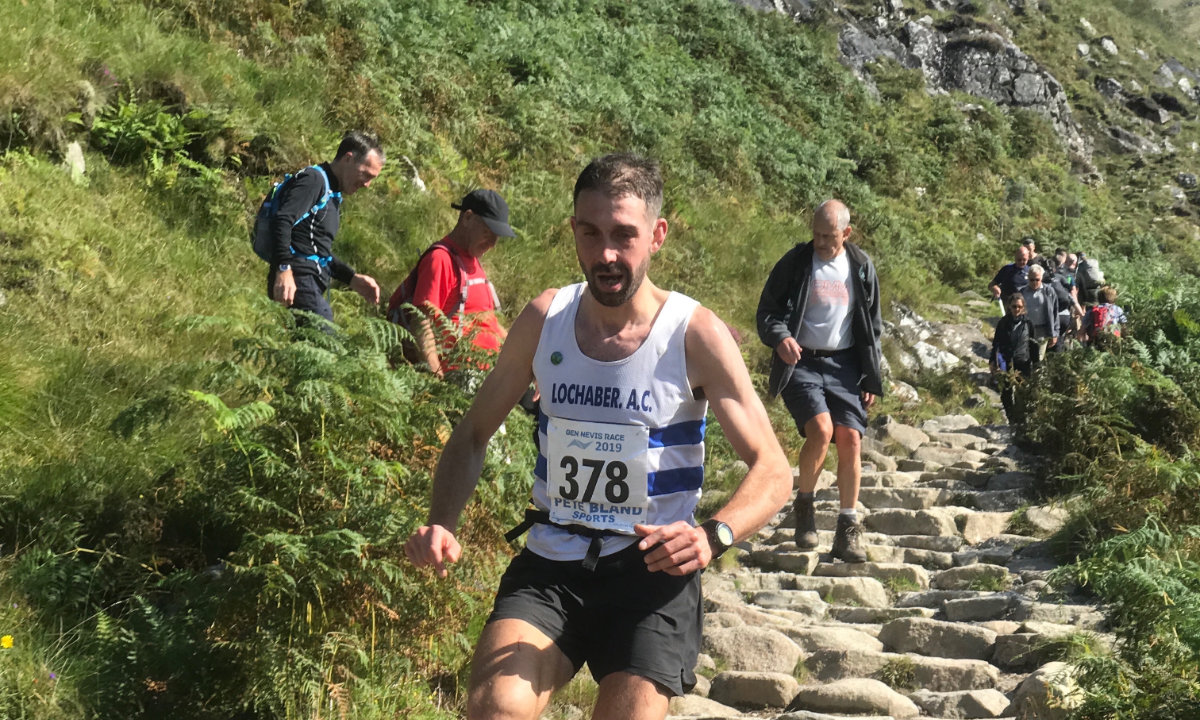
If there is one region that defines mountain running in England, it is the Lake District. The fells here are compact, relentlessly steep, and connected by a network of paths that reward the runner who knows how to read a map. This is where fell running as a competitive sport was essentially born, and the tradition runs deep.
Catbells is the ideal starting point for runners new to the fells. At 451 metres, with a return route of around 5km from Hawse End, it offers genuine mountain character without committing you to a full day on the hill. The ridge walk north to Maiden Moor extends the route nicely if you’re feeling strong.
Helvellyn via Striding Edge is where things get serious. The classic route from Glenridding covers roughly 14km with around 950 metres of elevation gain, and the exposed arête of Striding Edge demands respect in wet or icy conditions. This is a route for runners comfortable with scrambling and confident in their navigation. Early summer and autumn offer the best combination of long daylight and settled weather.
Scafell Pike, England’s highest peak at 978 metres, attracts thousands of walkers every year, but runners who time their start for early morning find the paths quieter and the experience far more rewarding. The route from Wasdale Head is the most direct at around 8km return, with 900 metres of climbing. The Lakes Sky Ultra and Scafell Sky Race, organised by Lake District Sky Trails, use this terrain for some of the most extreme mountain races in the country — events that put the region’s technical demands into sharp perspective.
Parking at Honister Pass, Glenridding, or Wasdale Head gives access to most of the central fells. Arrive early on summer weekends; the car parks fill quickly and the approach roads are narrow.
Scottish Highlands: Conquering the Challenging Peaks
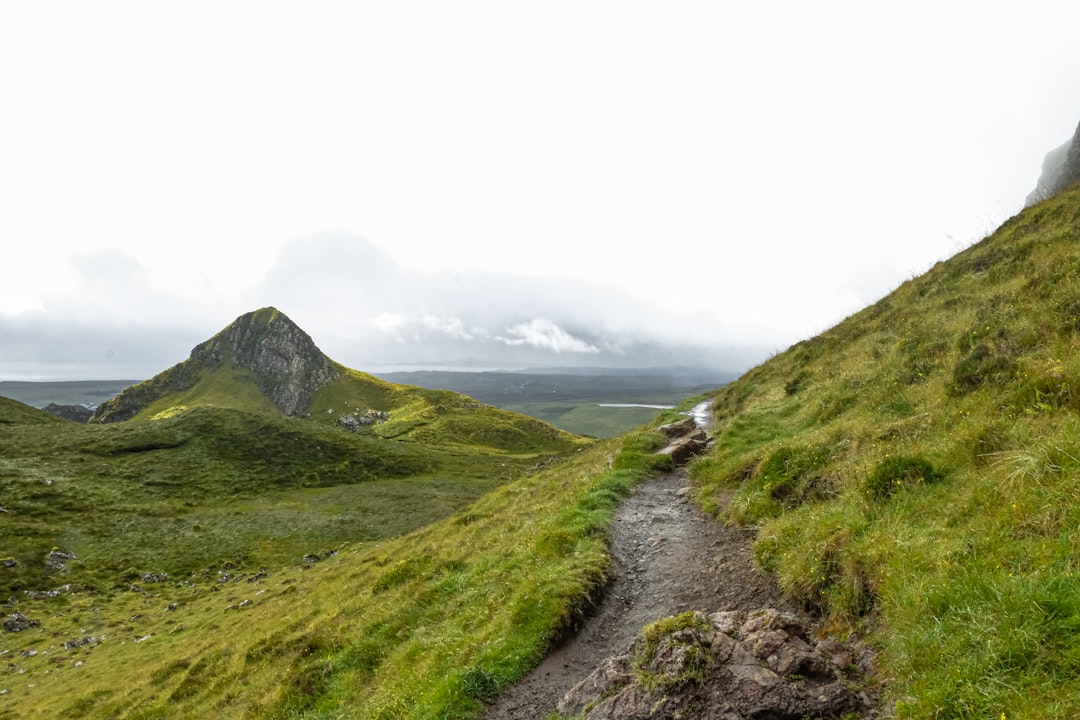
Scotland operates on a different scale entirely. The Highlands offer genuine wilderness running, with vast distances between checkpoints, weather that can shift from sunshine to horizontal sleet inside twenty minutes, and terrain that punishes complacency.
Ben Nevis is the obvious starting point. The Mountain Track from Glen Nevis Visitor Centre is 17km return with 1,345 metres of ascent — straightforward in terms of navigation, but demanding in terms of fitness and commitment. Runners targeting the Nevis Race, one of the oldest fell races in Scotland, aim for sub-90 minutes. Most mortals should budget three to four hours and treat the summit plateau with genuine caution in poor visibility.
For intermediate runners looking beyond the Ben, the Mamores ridge offers a spectacular circuit from Kinlochleven, taking in multiple Munros on grassy ridges with excellent running terrain. The Grey Corries provide a more technical alternative, with rockier ground that rewards confident footwork.
Advanced runners gravitate towards the Cairngorms plateau, where the combination of altitude, arctic weather, and featureless terrain in mist creates navigation challenges that are genuinely serious. This is not terrain for runners without solid map and compass skills. A whistle, emergency bivvy, full waterproofs, and a charged phone with an offline mapping app are non-negotiable in the Scottish hills. The Mountain Rescue teams are exceptional, but they’d rather you didn’t need them.
The Scottish mountain running community is active and knowledgeable — connecting with local clubs before heading into unfamiliar terrain is always worth doing.
Welsh Mountains: Hidden Gems for Adventure Seekers
Wales punches well above its weight for mountain running. Snowdonia in particular offers routes that rival anything in England or Scotland for drama, while the Brecon Beacons provide more forgiving terrain that suits runners building their mountain fitness.
Snowdon via the Pyg Track is the headline act: 11km return from Pen-y-Pass with 720 metres of climbing, on a well-maintained path that nevertheless demands attention on the upper sections. The Snowdon Race, held each July, covers the route in times that will make your jaw drop. For something quieter, the Glyderau and Tryfan offer wilder, more technical running with far fewer people.
The Brecon Beacons are the mountain running destination that experienced runners sometimes overlook in favour of flashier options. The rounded ridges and grassy paths around Pen y Fan (886 metres) are ideal for building strength and confidence, and the views across the reservoir to the north are genuinely beautiful. The classic Pen y Fan circuit from the Storey Arms car park is 8km with around 450 metres of gain — a solid morning out.
Trail conditions in Wales can be boggy year-round, particularly on the Beacons. Waterproof trail shoes rather than lightweight racing flats are the sensible choice for most of the year. The Welsh fell running groups know the terrain intimately and are an excellent resource for route advice.
Peak District and Pennines: Accessible Fell Running for Beginners
Not everyone can drive to the Highlands for a weekend run. The Peak District and Pennines sit within striking distance of Manchester, Sheffield, Leeds, and Nottingham, making them the natural starting point for millions of runners taking their first steps off-road.
Mam Tor in the Dark Peak is a superb introduction to fell running. The 5km ridge circuit from the National Trust car park at Mam Nick takes in the summit at 517 metres, the connecting ridge to Hollins Cross, and views across the Hope Valley that are disproportionately impressive for the effort involved. The path is well-maintained and the navigation is simple — ideal for runners making the transition from road or parkrun.
Kinder Scout raises the stakes considerably. The plateau is notorious for its deep peat groughs, which demand a completely different movement pattern to anything on a road or smooth trail. Running here builds the hip flexor strength and proprioception that underpin all fell running. Routes from Edale or Hayfield typically cover 15-20km with 500-700 metres of gain.
The gritstone edges — Stanage, Burbage, Froggatt — offer fast, runnable terrain with spectacular views and easy access from Sheffield. These are popular routes for runners building weekly mileage on varied ground without committing to a full mountain day.
Essential Gear and Safety Tips for UK Mountain Running
The mountains are not the road. This sounds obvious, but every year mountain rescue teams respond to incidents involving runners who underestimated how quickly conditions can change or how quickly a minor navigation error becomes a serious problem in poor visibility.
- Navigation: A 1:25,000 OS map and compass are essential for any route above the valley floor. Apps like ViewRanger or OS Maps are excellent supplements, but phones run out of battery and screens are unreadable in driving rain. Learn to use a compass before you need it.
- Clothing: The British mountains demand waterproof layers regardless of the forecast. A lightweight waterproof jacket and trousers, base layer, hat, and gloves add minimal weight and can be the difference between a bad day and a dangerous one.
- Footwear: Inov-8, Salomon, and Hoka all produce excellent trail shoes for UK terrain. For the boggy moorland of the Pennines and Brecon Beacons, a shoe with aggressive lugs and some waterproofing is worth the investment. For the drier, rockier terrain of the Scottish Highlands, a more protective sole is preferable.
- Emergency kit: A whistle, foil blanket, and basic first aid kit weigh almost nothing. Carry them. Tell someone your planned route and expected return time before you head out.
- Communication: Mobile coverage is patchy across all UK mountain areas. Download offline maps before you leave and consider a personal locator beacon for remote routes.
Finding Your Fell Running Community
Trail and mountain running is significantly more enjoyable — and safer — when you do it with people who know the ground. The UK has a rich network of fell running clubs, many of which welcome runners of all abilities and run regular group sessions on local hills.
Browsing local trail running clubs is the quickest way to find a group near you. Most clubs organise midweek evening runs and longer weekend outings, and the collective knowledge of a club’s members about local routes, conditions, and navigation is invaluable when you’re starting out.
For those ready to test themselves in competition, the UK mountain running calendar is packed with events at every level. From local fell races measured in minutes to multi-day ultras across the Highlands, there is a race that fits your current fitness and ambition. The fell running races and events calendar is a good place to start planning your season.
If you want to go deeper on technique, training plans, and route ideas, there is plenty more on the trail running guides section of this site. The mountains will still be there next weekend. You might as well be ready for them.
Written by
Bish
Founder of UK Run Clubs. Based in Manchester, passionate about connecting runners across the UK with their local community.
Ready to find your running club?
Search the UK's largest running club directory — free to use.