UK Marathon Races 2026 Calendar: Complete Guide
Discover Britain’s best marathon events in 2026. Your complete calendar guide to UK marathons with dates, locations, and registration details.

Why 2026 Is Your Year to Run a British Marathon
Britain has never had this many marathons to choose from. The UK marathon races 2026 calendar runs from coastal spring races to dramatic autumn events through the Scottish Highlands, and the sheer variety means there is genuinely something for every type of runner, from first-timers chasing a flat PB course to ultrarunners looking for something that hurts.
Marathon running in Britain has grown steadily over the past decade, with participation figures now regularly exceeding 100,000 runners annually across major events alone. Races are filling faster and ballot odds are tightening. The runners who plan now are the ones who actually get to the start line.
This guide cuts through the noise. It covers the major dates, the hidden gems, the entry traps to avoid, and the practical stuff that race websites bury in their FAQs. If you’re eyeing your debut marathon or hunting a new personal best, browse all upcoming UK races alongside this calendar to build a shortlist that actually suits your schedule.
First-timers: prioritise a race with strong crowd support and a forgiving course profile over prestige alone. Your first marathon should be an experience you want to repeat, not one that breaks you.
Spring Marathon Events: March to May 2026
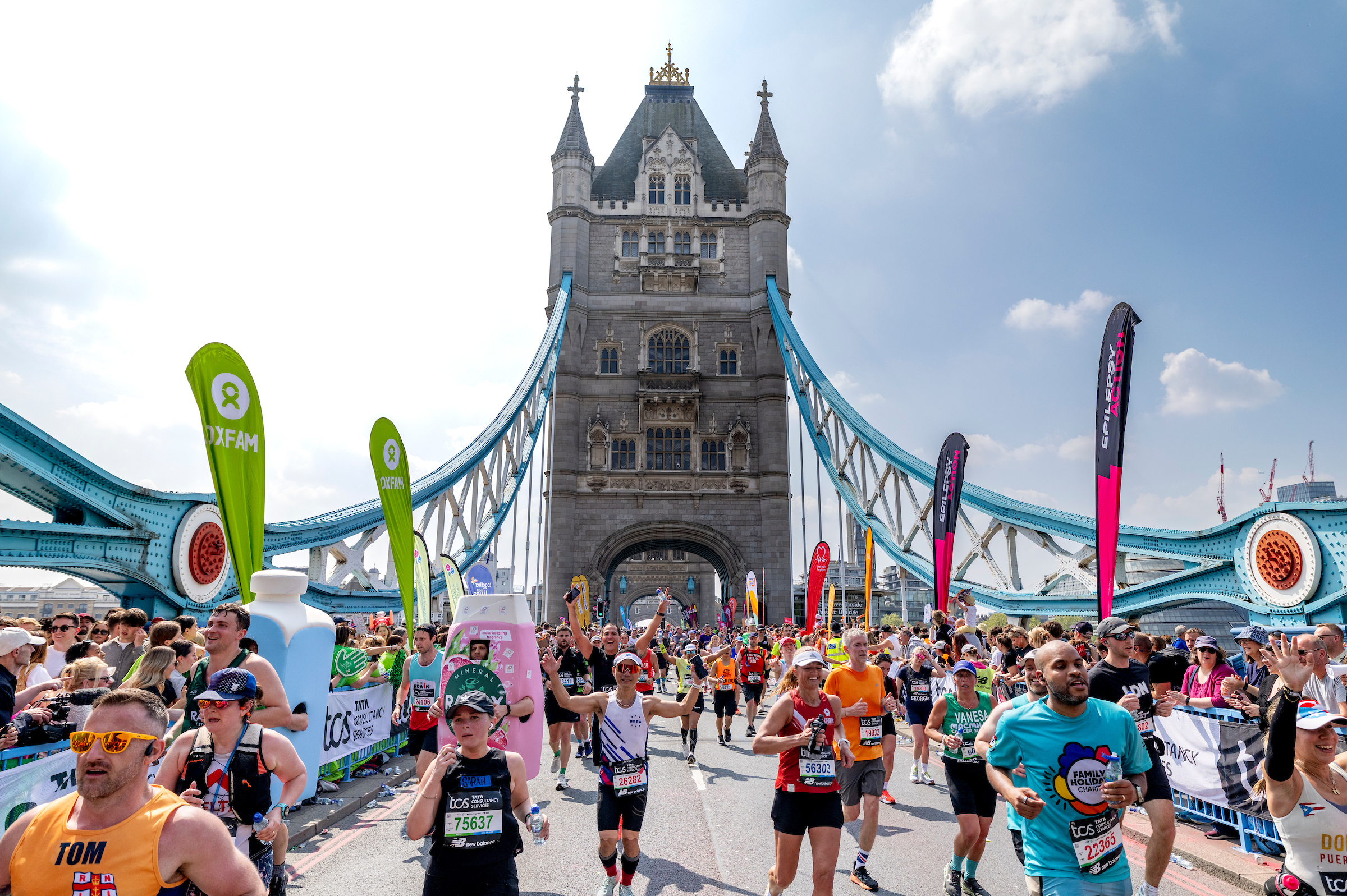
Spring is the heartland of the UK marathon calendar, and 2026 is no different. The big three — London, Brighton, and Manchester — dominate April, with a cluster of regional alternatives filling the gaps for those who want something slightly less crowded.
London Marathon
The TCS London Marathon takes place in late April and remains the most oversubscribed road race in the world. The public ballot typically opens in April the year prior and closes within days, with acceptance rates hovering around 3 to 4 per cent for UK residents. If you missed the ballot, charity places are the most reliable route in, though most require a fundraising commitment of £2,000 or more. Tour operators also offer guaranteed entries via travel packages, which suit international runners or those who simply cannot face another ballot rejection letter.
Brighton Marathon
Brighton Marathon, also in April, follows a fast, largely flat coastal route that makes it genuinely attractive for runners chasing a personal best. The seafront finish is spectacular, and the crowd support along the route punches well above its weight for a non-capital city event. Registration typically opens in the autumn preceding the race, and early bird pricing can save you £15 to £20 compared to standard entry. It regularly sells out before Christmas, so procrastination is expensive.
Manchester Marathon
The AJ Bell Manchester Marathon has quietly become one of Britain’s best-organised mass participation events. The course is flat, the city turns out in force, and the logistics — transport, bag drop, finish area — are genuinely slick. It’s held in late April and draws over 20,000 runners. If you’re training in the north, find Manchester running clubs to make the long run miles more bearable through winter.
Other Spring Races
Milton Keynes Marathon (May) offers a multi-lap course that divides opinion but suits runners who like familiar terrain. The Reading Half and Full Marathon in March makes for an excellent early-season target. Regional alternatives like the Blackpool Marathon and the Windermere Marathon also sit in the spring window for those who prefer smaller fields and more scenic routes.
Training-wise, a spring marathon demands a 16 to 18-week plan starting in December or January. British winters are grim for long runs, but that’s rather the point — the race-day conditions feel like a reward.
Summer Marathon Opportunities: June to August 2026

Summer marathons require a different kind of respect. Heat, humidity, and the psychological challenge of racing when everyone else is at a barbecue demand specific preparation. But the rewards — extraordinary scenery, smaller fields, and a genuine sense of adventure — make them worth serious consideration.
Edinburgh Marathon
Technically held in late May, the Edinburgh Marathon Festival is Scotland’s largest running event and one of the most popular marathon events in the UK. The course heads east out of the city towards the East Lothian coast, which means a point-to-point route with genuinely dramatic scenery. It’s fast, well-supported for the first half, and quieter on the back end — which is where your training either holds or doesn’t. Travel logistics require planning: most runners stay in Edinburgh and use the official shuttle buses to the start. If you’re building a training community north of the border, find Edinburgh running clubs to connect with groups already targeting the event.
Scenic and Fell-Based Summer Races
The Lake District Marathon, typically held in late October but with trail variants running through summer, offers something no city race can match: genuine wildness. The Lakeland Trails series also includes marathon-distance events through the summer months for runners who find tarmac soul-destroying.
For summer racing, hydration strategy is non-negotiable. Start drinking to a plan 48 hours before race day, not just on the morning. Electrolytes matter more than pure water volume, and pre-cooling (cold towels, ice vests at the start) can meaningfully reduce core temperature before the gun goes.
Autumn Marathon Season: September to November 2026
Autumn is, objectively, the best time to run a marathon in Britain. Temperatures drop into the 8 to 14 degrees Celsius range that exercise physiologists consider optimal for distance running, the light is beautiful, and the fields are full of runners who’ve trained through a proper summer base phase.
York Marathon
The York Marathon in October is one of the most beloved regional races in the country. The historic city centre start, the flat course through the Vale of York, and the intimate atmosphere make it a firm favourite for runners seeking a personal best without the chaos of a major city event. Entry fees are reasonable, crowd support is warm, and the post-race food situation is significantly better than most races manage.
Chester Marathon
Chester Marathon, also in October, takes runners through the city walls and out into the Cheshire countryside. It’s a point-to-point course with a net downhill profile, which flatters the finishing time. It’s consistently well-reviewed for organisation and is a strong option for runners targeting a Good for Age qualifying time for London.
Yorkshire Marathon and Northern Options
The Yorkshire Marathon in York (separate from the York Marathon) and the Harrogate Marathon offer northern England runners strong autumn alternatives. The Midlands is served by events like the Coventry Marathon, while the south has the Bournemouth Marathon Festival, which includes half and full distances across a coastal and clifftop route.
Autumn entry availability tends to be better than spring, partly because runners who missed spring ballots haven’t yet pivoted to autumn alternatives. Check race websites in January and February for the best early bird pricing.
London Marathon Alternatives for 2026
Let’s be honest about why people seek London marathon alternatives: the ballot is brutal, the charity place fundraising targets are steep, and race day in London, while electric, is also extremely crowded, slow to cross the start line, and logistically exhausting if you’re travelling from outside the city.
The good news is that Britain’s alternative marathon scene is genuinely excellent. Here’s how the main options compare:
- Brighton Marathon — Fast, flat, coastal. Comparable crowd support to London on the seafront sections. Entry around £75 to £90. Strong PB potential.
- Manchester Marathon — Urban, flat, brilliantly organised. Entry around £55 to £70. Excellent for first-timers and PB hunters alike. Huge field (20,000+).
- Edinburgh Marathon — Scenic, point-to-point, fast course. Entry around £60 to £80. Smaller field gives a different race-day feel. Travel costs add up.
- Chester Marathon — Intimate, historic, net downhill. Entry around £45 to £60. Ideal for runners wanting a quieter, community-focused experience.
- York Marathon — Flat, friendly, excellent organisation. Entry around £45 to £55. Consistently overperforms expectations for a regional event.
For runners who want something truly boutique, smaller events like the Snowdonia Marathon (trail, challenging, unforgettable) or the Loch Ness Marathon (October, point-to-point, spectacular) offer experiences that no city race can replicate. Find the full picture by browsing the latest running insights on the blog.
How to Register and Secure Your Place
The single biggest mistake runners make is treating registration as something to sort out “later.” For the major UK marathon events in 2026, later means sold out.
- Enter the ballot immediately when it opens. London’s ballot is typically April to May for the following year’s race. Set a calendar reminder now.
- Apply for charity places as a parallel strategy, not a fallback. Approach charities in September and October, before the Christmas rush depletes available spots.
- Use early bird pricing. Most races offer a discounted entry window of four to eight weeks after registration opens. The saving is typically £10 to £25, and the race is no different.
- Check tour operator packages for London and Edinburgh specifically. Operators like Sportsworld and The Sports Tour Company offer guaranteed entry bundled with accommodation, which can represent good value when you factor in hotel costs.
- Avoid deferral assumptions. Not all races offer automatic deferral if you’re injured. Read the terms before you enter, not after you’ve pulled your calf in week 14.
Key registration windows to watch: London ballot (April/May 2025 for 2026 race), Manchester and Brighton (typically autumn 2025), Edinburgh (winter 2025/26), and most autumn 2026 races (spring 2026).
Training and Preparation for Your 2026 Marathon
A 16-week training plan is the standard template, but the work that matters most happens in the weeks before the plan officially starts. Building a base of 25 to 35 miles per week before week one begins is the difference between surviving a marathon and running one.
The most valuable resource most runners ignore is other runners. A local club gives you training partners for long runs, people who’ve already run your target race, and accountability that no app can replicate. Browse UK running clubs now, before your training block starts, so you’re already embedded in a group when the hard weeks arrive.
Race-day essentials that get overlooked: practise your nutrition strategy in training (gels taken cold on a tired stomach are a different experience to gels at home), wear your race kit on your longest runs to catch any chafing issues early, and plan your travel to the start with a buffer of at least 45 minutes beyond what you think you need.
Post-marathon recovery is a training phase, not a holiday. Three to four weeks of easy running before returning to any structured work is the minimum. Ignore this and the next training block starts on a broken foundation.
The 2026 calendar is genuinely one of the strongest in years. Pick your race, enter early, and get the miles in. The start line will take care of itself.
Written by
Bish
Founder of UK Run Clubs. Based in Manchester, passionate about connecting runners across the UK with their local community.
Ready to find your running club?
Search the UK's largest running club directory — free to use.