Running Clubs: Mental Health & Community Benefits in the UK
Discover how UK running clubs transform mental health and build stronger communities. Explore the social benefits that make running clubs game-changers.
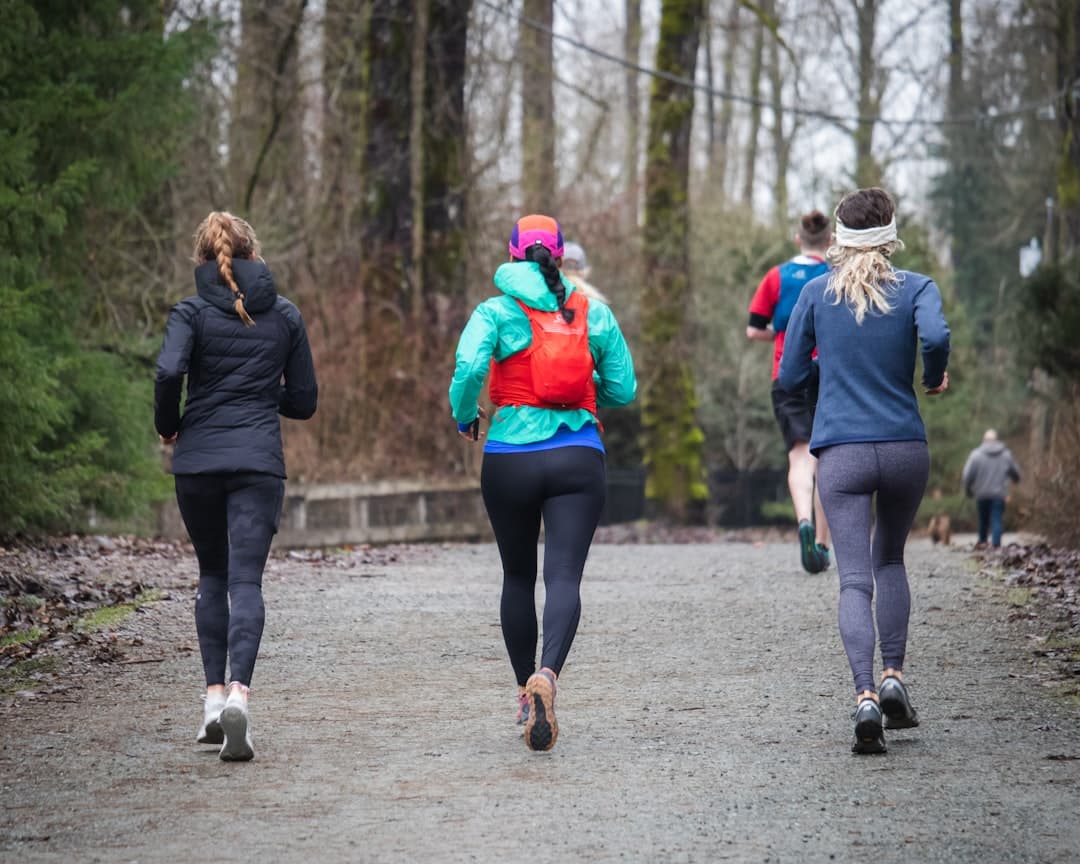
The Loneliness Epidemic We’re Not Talking About
Britain has a problem it doesn’t like to admit. Not the weather, not the cost of a pint, but something far more corrosive: loneliness. The running club social benefits for mental health are, frankly, one of the most underappreciated stories in British public health right now, and it’s time we talked about it properly.
Traditional community anchors, the local pub, the church hall, the working men’s club, have been quietly disappearing for decades. What’s replaced them? A doom-scroll through a phone screen at 11pm, wondering why you feel so flat. Social isolation has become a silent crisis, and the statistics are genuinely alarming. According to the Campaign to End Loneliness, around 3.83 million people in the UK experience chronic loneliness, a figure that ballooned during the pandemic and has never fully recovered.
Mental health struggles that stem from isolation are particularly insidious because they’re invisible. Nobody puts up a sign. People just quietly withdraw, and the gap between who they were and who they’re becoming widens without anyone noticing. Something had to fill that void. Increasingly, it’s a pair of trainers and a Tuesday evening run with strangers who become friends.
More Than Just Exercise: The Running Club Social Benefits for Mental Health
Let’s get the biology out of the way first, because it matters. Running triggers the release of endorphins, serotonin, and dopamine, the brain’s own pharmaceutical cabinet. A single 30-minute run can reduce anxiety symptoms measurably, and regular aerobic exercise has been shown to reduce the risk of depression by up to 26%, according to research published in JAMA Psychiatry. That’s not a trivial number.
But here’s what solo running misses: the amplifier effect of doing it together. Research published in the journal Frontiers in Public Health found that group exercise produces significantly greater improvements in mental wellbeing than equivalent solo exercise. The shared suffering of a hill repeat session, the collective groan when the coach calls another interval, the gallows humour at mile ten of a long run — these moments of shared experience create bonds that are surprisingly durable.
Running community wellness isn’t just a marketing phrase. Group running creates accountability that solo training simply cannot replicate. When you know Sarah from the Thursday group is expecting you to show up, you show up. And showing up, consistently, is the foundation of both physical fitness and mental stability. Routine is underrated as a mental health tool, and running clubs provide it in abundance.
The mental health running groups that have proliferated across the UK in recent years, from dedicated mental health running collectives to mainstream clubs that have quietly become safe spaces, understand this instinctively. The run is the mechanism. The community is the medicine.
The Power of Belonging in a Running Community

There’s a particular kind of acceptance you find in a running club that’s hard to replicate elsewhere. It doesn’t matter if you’re a 7-minute miler or a 12-minute miler. It doesn’t matter if you’re 25 or 65, a solicitor or a scaffolder. The only qualification is that you showed up.
That unconditional acceptance matters enormously for people who’ve spent years feeling like they don’t quite fit. Running clubs offer something that social media platforms pretend to offer but rarely deliver: genuine belonging. You find your tribe, people who understand the compulsion to be outside at 6am in February, who don’t need an explanation for why you spent your Saturday running 18 miles for fun. (Or at least what passes for fun.)
The social connections forged through running extend well beyond the track or the park. Post-run coffees become regular fixtures. WhatsApp groups that started as race logistics turn into genuine support networks. England Athletics has noted that members of affiliated running clubs report significantly higher levels of social connectedness than non-members, and that this connectedness directly correlates with improved mental wellbeing scores.
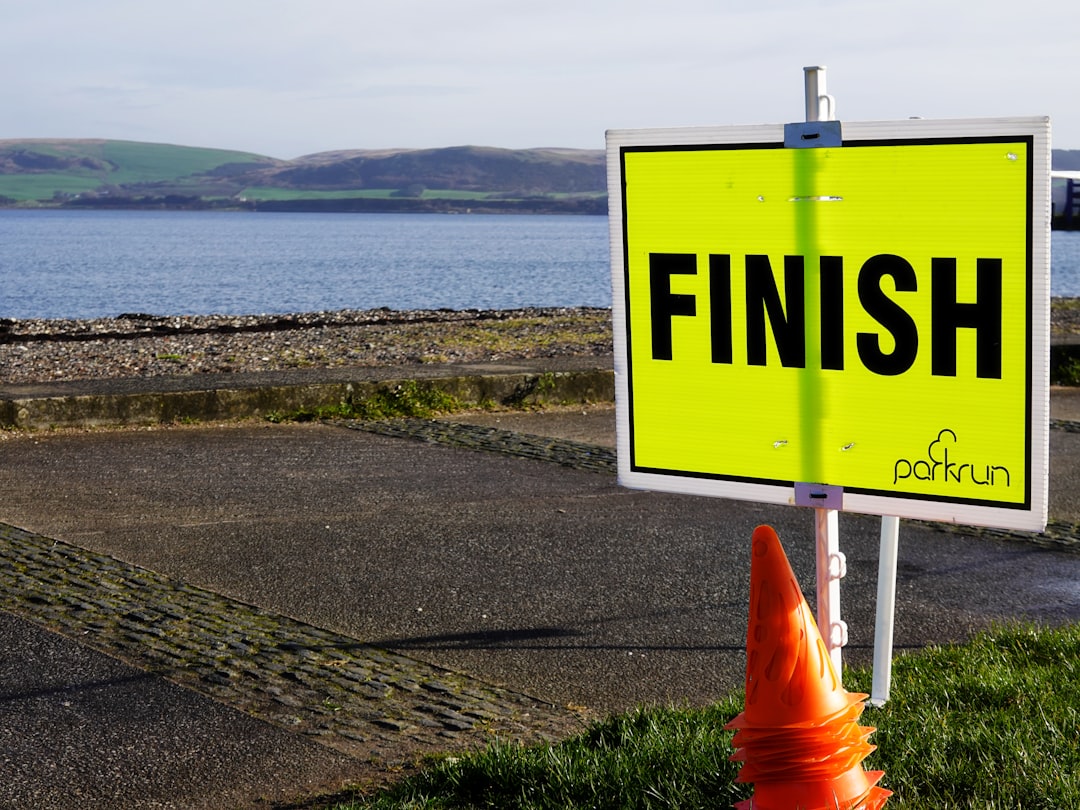
There’s also something profound about the sense of identity and purpose that comes with club membership. You become a runner. Not someone who runs occasionally, but a runner, with a club vest, a training schedule, and people who notice when you’re not there. That identity shift, from passive observer of life to active participant in a community, is genuinely transformative for people who’ve been struggling. If you want to see what running club wellbeing looks like in practice, spend ten minutes at the finish line of any local club’s annual race. You’ll understand immediately.
You can explore running clubs across the UK to find communities built exactly around this kind of belonging, whatever your pace or background.
Breaking Down Barriers to Mental Wellbeing
One of the most quietly radical things running clubs do is normalise conversations about mental health. There’s something about being in motion, side by side rather than face to face, that makes difficult conversations easier. England Athletics has highlighted this directly, noting that the combination of running and talking makes it easier for people to open up about mental health in a natural, unselfconscious way.
The peer support that develops within running groups is organic and non-clinical, which is precisely why it works for people who’d never walk into a therapist’s office. Nobody is labelled. Nobody is a patient. You’re just two people getting through a long run together, and somewhere along the way, one of you mentions that things have been hard lately, and the other one says, “Yeah, same.” That exchange, repeated thousands of times across thousands of clubs every week, is doing genuine public health work.
Inclusive running environments have also become far more intentional about welcoming people of all backgrounds and abilities. The growth of initiatives like mental health running groups, dedicated beginner programmes, and community-focused clubs in underserved areas has meant that the door is wider than it’s ever been. Running club wellbeing isn’t a middle-class luxury anymore. It’s becoming infrastructure.
If you’re based in Scotland, for instance, there’s a thriving network of community-focused clubs worth exploring. You can discover running communities in Scotland that have built their entire ethos around inclusion and mutual support.
Real Stories from the UK Running Community
The statistics tell one story. The people tell another, and it’s more compelling.
Talk to members of almost any UK running club and you’ll find the same narrative, told in different voices. Someone who was barely leaving the house six months ago, now turning up every Tuesday without fail. Someone who came to their first session convinced they’d be the slowest, most embarrassing person there, and discovered they were welcomed without condition. Someone who, quietly and without drama, credits their running club with keeping them alive during a period when they weren’t sure they wanted to be.
“I joined because I wanted to get fit. I stayed because these people became my family. I don’t think I’d have got through last winter without them.”
That kind of testimony isn’t unusual. It’s the norm. The friendships that begin with a shared Tuesday evening run have a particular quality to them, forged in mild suffering and mutual encouragement, that tends to last. There’s a reason former club members who move cities immediately seek out a new club. They’re not just looking for a training partner. They’re looking for their people.
For those in London, the running community is vast and varied, with clubs catering to every pace, personality, and purpose. You can find running clubs in your city that match exactly what you’re looking for, whether that’s competitive training or simply a reason to get out of the house.
Finding Your Running Club and Taking the First Step
The biggest barrier to joining a running club is the story people tell themselves before they arrive. That they’re too slow. That everyone else will be faster, fitter, more experienced. That they’ll be judged. Almost universally, that story is wrong.
Here’s what to actually expect at your first session: someone will greet you, ask your name, and tell you not to worry about pace. You’ll probably run with a group that’s roughly your speed. You’ll feel slightly awkward for the first twenty minutes, then forget to feel awkward because you’re concentrating on not dying on the hill. Afterwards, someone will suggest coffee, and you’ll go, and you’ll realise these are just normal people who happen to enjoy running.
A few practical notes worth keeping in mind:
- Most clubs offer free or low-cost trial sessions before you commit to membership.
- England Athletics-affiliated clubs carry public liability insurance and follow safeguarding guidelines, which matters more than people realise.
- Beginner-friendly groups exist within most clubs. Ask specifically about them when you make contact.
- Showing up once is the hardest part. After that, the community does the work of keeping you there.
The Future of Mental Health Support Through Running
There’s a growing argument, and it’s a persuasive one, that running clubs should be recognised formally as preventative mental health infrastructure. Social prescribing, where GPs refer patients to community activities rather than medication, is already NHS policy in principle. Running clubs are a natural fit, low-cost, scalable, and demonstrably effective.
The evidence base is building. The community appetite is there. What’s needed now is for commissioners, policymakers, and public health professionals to look at what’s already happening every Tuesday evening in parks and leisure centres across the country, and take it seriously as a therapeutic intervention.
UK running clubs are, quietly and without fanfare, doing some of the most important community health work in the country. They deserve the recognition, and more people deserve access to what they offer.
For more on running, community, and wellbeing, read more on our blog, or subscribe to our newsletter for regular updates from running communities across the UK. Your Tuesday evening is waiting.
Written by
Bish
Founder of UK Run Clubs. Based in Manchester, passionate about connecting runners across the UK with their local community.
Ready to find your running club?
Search the UK's largest running club directory — free to use.